Innovative Solution
The Solar Cooker Concept:
-
Technology Integration:
Our partner implemented advanced solar cookers that used reflective surfaces and insulated cooking chambers to concentrate sunlight for efficient cooking.
-
Cultural Adaptation:
The cookers were specifically designed to accommodate local cooking practices, ensuring that traditional dishes could be prepared without compromising on taste or nutritional value.
Key Innovations:
-
Energy Efficiency:
The cookers were engineered to achieve high thermal efficiency, reducing cooking times even during less-than-ideal weather conditions.
-
User-Centric Design:
Developed with input from community members, the solar cookers featured ergonomic designs that catered to everyday cooking habits, making them both practical and accessible.
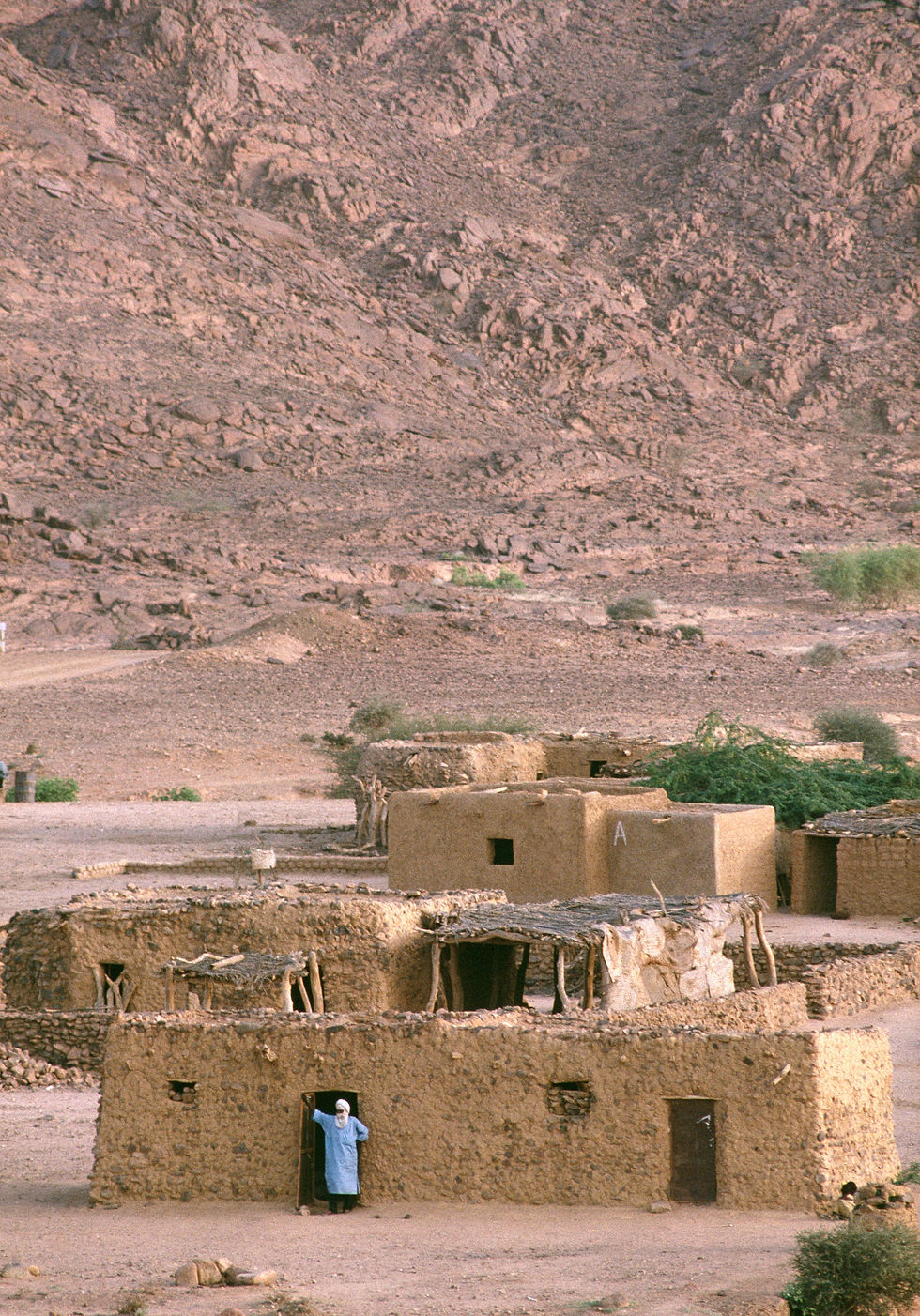
Case Study: North Africa
Solar Cooking for Sustainable Living
The Challenge:
In many low-income urban neighborhoods of this city, traditional cooking methods relying on non-renewable fuels led to high energy costs, indoor air pollution, and environmental degradation. These issues significantly impacted community health and contributed to ongoing economic and environmental challenges.
The Objective:
Our partner set out to introduce sustainable solar cookers as an alternative to conventional cooking methods. Their goal was to reduce energy expenses, improve indoor air quality, and promote a healthier, more environmentally friendly lifestyle while honoring local culinary traditions.
Implementation Process
Community Engagement & Needs Assessment:
-
Workshops and focus groups were held with local residents and community leaders to identify cooking challenges and assess energy needs.
-
Collaborations with local NGOs and municipal agencies helped secure the necessary support and resources for the pilot project.
Design & Prototype Development:
-
Pilot solar cookers were designed and built with the involvement of local craftsmen and technical experts.
-
Initial testing sessions were conducted to refine the design based on community feedback and practical performance.
Training & Capacity Building:
-
Hands-on training sessions were organized to educate residents on the proper use, maintenance, and benefits of the solar cookers.
-
Educational materials were distributed in the local language to ensure broad accessibility and long-term project sustainability.
Full-Scale Deployment & Monitoring:
-
The initiative was expanded across several neighborhoods, installing solar cookers in targeted households.
-
A monitoring system was established to track energy savings, user satisfaction, and environmental impact, with follow-up workshops provided to address any emerging issues.
Outcomes & Impact
Quantifiable Results:
-
Energy Savings:
Participating households experienced significant reductions in traditional fuel use, leading to lower energy expenses and decreased environmental impact. -
Improved Indoor Air Quality:
The switch to solar cookers contributed to cleaner indoor environments, reducing respiratory issues among community members.
Qualitative Impacts:
-
Community Empowerment:
Residents gained practical skills and knowledge about sustainable cooking technologies, fostering a sense of ownership over the initiative. -
Environmental Benefits:
Reduced reliance on non-renewable fuels contributed to lower emissions and supported broader environmental sustainability efforts.
Conclusion
The solar cooker project in this city demonstrated how sustainable, community-driven solutions can effectively address both economic and environmental challenges in urban settings. By integrating innovative solar technology with local culinary practices, our partner created a replicable model for improving energy efficiency and enhancing community well-being.